
CS2 Trade-Up Contracts Explained: From 10 Skins to Profit
 slothiw
The trade-up contract is the only crafting system in CS2, and it is quietly one of the best value tools in the game. Feed it ten skins of one rarity, receive one skin of the next rarity up. Done blindly it burns money; done with math it prints small, steady profit.
The core rules
- 10 inputs, same rarity, any mix of collections (StatTrak only mixes with StatTrak).
- The output rarity is always one tier above the inputs.
- Output odds are weighted by how many of your inputs come from each collection.
- Output float is your average input float scaled into the result's float range.
Where the profit hides
Profitable contracts exist because some collections have outputs whose market price is disproportionate to the inputs. The classic play: cheap Mil-Spec skins from an older collection feeding into a Restricted output that sells for 3–4× the total input cost — even at 50% odds, the expected value clears positive.
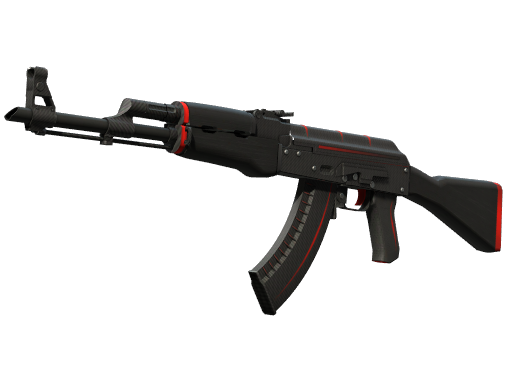
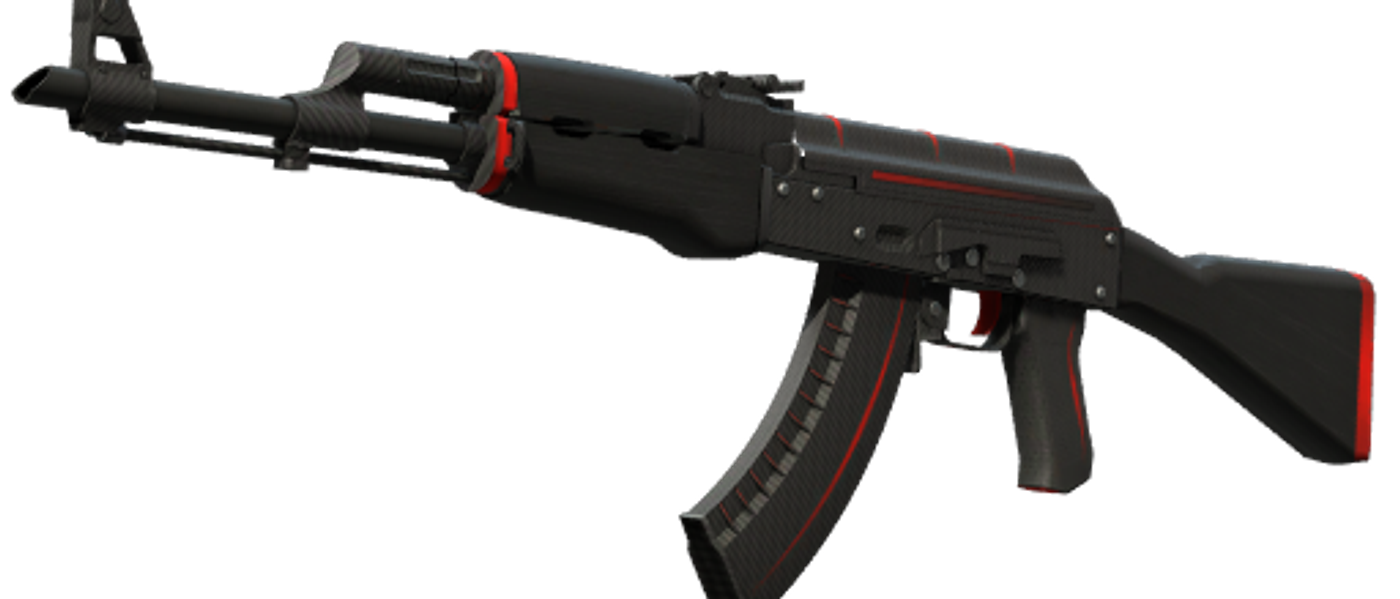
AK-47 | Redline
Frequently Asked Questions
What is a trade-up contract in CS2?
A trade-up converts exactly 10 skins of the same rarity into 1 random skin of the next rarity tier, drawn from the collections of the input skins.
Can you trade up to a knife?
No. Trade-ups stop at Covert (red) rarity. Knives and gloves only come from cases and cannot be obtained through contracts.
How is the output float calculated?
The average float of your 10 inputs is mapped onto the output skin's float range. Low-float inputs produce low-float (better looking) outputs.