

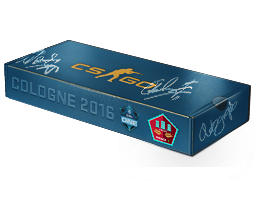
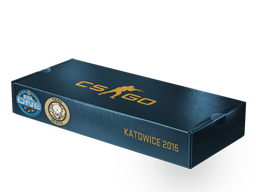
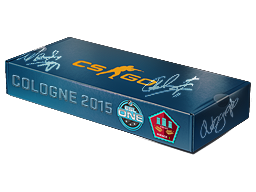






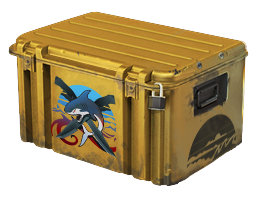


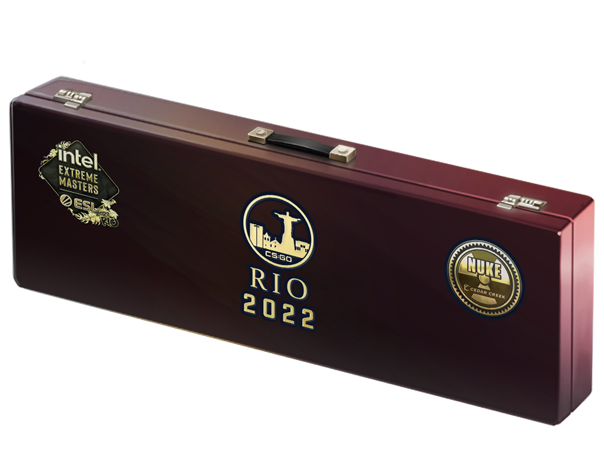



































































How the CS2 Case Simulator works
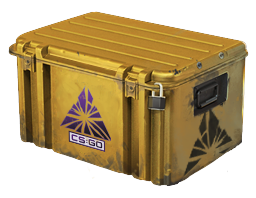
Our simulator perfectly replicates the exact five-tier drop structure set by Valve. When you simulate opening a case, we roll into a tier first, then pick a skin from that tier uniformly. The official tier probabilities are:
- Mil-Spec (blue) — 79.92%
- Restricted (purple) — 15.98%
- Classified (pink) — 3.20%
- Covert (red) — 0.64%
- Rare Special (knife or glove, gold) — 0.26%
On top of that, every drop has a 10% chance to roll as StatTrak™ (where applicable). We use live Steam Community Market prices to track your simulated spending versus your unboxed value, giving you a realistic picture of your return on investment (ROI).
Why use a CS2 case simulator?
Opening cases in Counter-Strike 2 is a form of gambling with a significantly negative expected return. The rare special tier (the gold knives and gloves) carries most of the value, but its 0.26% chance means you would need to open hundreds of cases to realise it.
Our free simulator lets you experience the thrill of unboxing without the financial risk. It's the perfect way to test your luck, learn the actual drop rates, and understand why case-opening is mathematically a losing proposition over the long run.
FAQ
What is the best CS2 case to simulate?
"Best" depends on your goal. If you want the highest return, look at older cases where covert skins have appreciated. For pure entertainment, the cheapest cases give you the most opens per dollar. Use this simulator to test different cases before spending real money.
Are the simulator odds rigged?
No — we use the exact same published tier odds as the real game. Our random number generation ensures every simulated open is as fair and unpredictable as opening a case in CS2.
How do I get real skins for free?
While this simulator is just for fun, you can win actual skins, knives and gloves through our free CS2 giveaways. If you want to open cases on third-party sites, check out our vetted partner reward sites for exclusive promo codes.
Why are my real-world opens worse than the simulator?
Small sample sizes diverge from the average. The simulator demonstrates the exact same math the game uses, but a run of 10 or even 100 real opens can sit far from the long-run average. Variance is what makes gambling feel rewarding, and what makes it expensive.